


Next level style arrives with a boost of comfort in Skechers Street Uno 2 –Comfort Two.
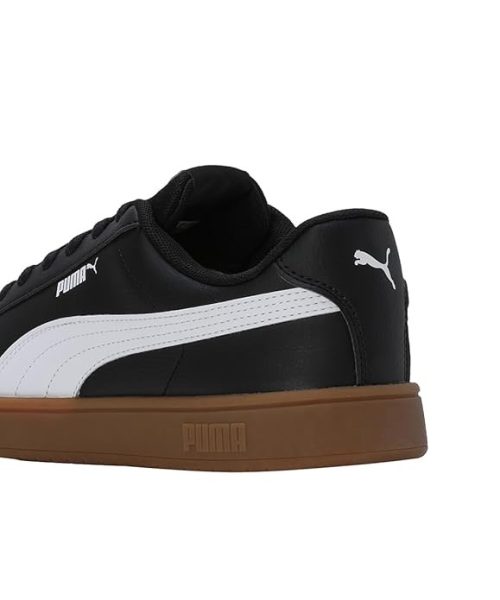
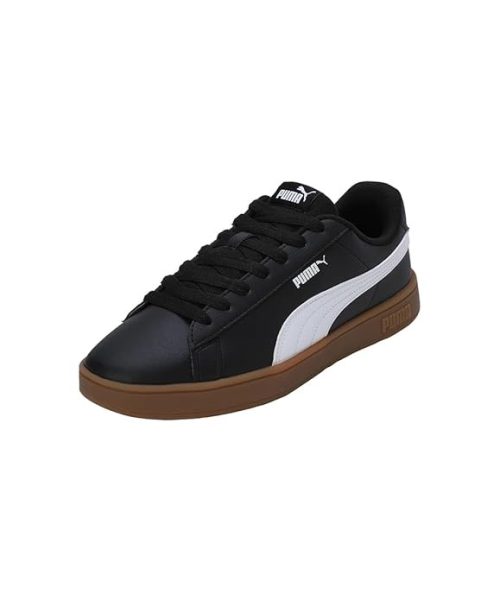
Skechers Men Uno 2 Comfort Two Sneakers
Original price was: ₹8,999.00.₹3,814.00Current price is: ₹3,814.00.
Description
An Exhaustive Treatise on the Skechers Comfort Sneaker: A Paradigm of Modern Podiatric Engineering and Casual Fashion mens white shoes
Table of Contents
-
Introduction: The Modern Footwear Landscape and the Skechers Ethos
-
Chapter 1: The Foundation – A Deep Dive into Material Science: Faux Leather and Duraleather
-
1.1 The Ethics and Economics of Synthetic Leather sneakers
-
1.2 Duraleather: Deconstructing a Proprietary Material
-
1.3 The Art and Science of Debossing: Texture, Aesthetics, and Function
-
-
Chapter 2: The Architecture of Fit: The Lace-Up Closure System
-
2.1 A Historical Retrospective of Lace-Up Footwear
-
2.2 Biomechanics of a Secure Fit: Pressure Distribution and Kinematics
-
2.3 Comparative Analysis: Lace-Up vs. Alternative Closure Systems
-
-
Chapter 3: The Philosophy of the Zero-Drop Platform: The “No Heel” Design
-
3.1 Defining Heel-to-Toe Drop and Its Physiological Impact
-
3.2 The Podiatric Argument for Flat-Soled Shoes in Casual Wear
-
3.3 Style Implications: Minimalism, Retroism, and Versatility
-
-
Chapter 4: Environmental Considerations: Understanding “Not Water Resistant”
-
4.1 The Meaning of Water Resistance in Textile and Material Coatings
-
4.2 Limitations and Intended Use-Case Scenarios
-
4.3 Consumer Guidance: Protection and Care for Non-Water-Resistant Materials
-
-
Chapter 5: The Heart of Comfort: Sole Material – Ethylene Vinyl Acetate (EVA)
-
5.1 Chemical Composition and Manufacturing of EVA
-
5.2 Material Properties: Cushioning, Density, Compression Set, and Weight
-
5.3 EVA’s Dominance in the Athletic and Comfort Footwear Industries
-
-
Chapter 6: Defining a Genre: The “Sneaker” as a Cultural and Style Icon
-
6.1 A Brief History of the Sneaker from Plimsoll to Status Symbol
-
6.2 Positioning this Model within the Skechers Ecosystem and Broader Market
-
6.3 Styling the Modern Sneaker: From Athleisure to Smart Casual
-
-
Chapter 7: Global Manufacturing: The Implications of “Country of Origin: China”
-
7.1 The Global Supply Chain of Modern Footwear Production
-
7.2 Quality Control, Scale, and Economic Factors
-
7.3 Consumer Perceptions and the “Made In” Label
-
-
Chapter 8: The Core Technologies: A Microscopic Look at Skechers’ Proprietary Comfort Systems
-
8.1 Skechers Air-Cooled Memory Foam Comfort Insole: A Revolution in Step-In Feel
-
8.1.1 The Physics of Viscoelastic Polyurethane Foam
-
8.1.2 The Molding Process: How Memory Foam Personalizes to the Foot
-
8.1.3 The Role of Perforations: Thermodynamics and Moisture Management (“Air-Cooled”)
-
-
8.2 Skech-Air Visible Air-Cushioned Midsole: Engineering Visible Air for Superior Shock Absorption
-
8.2.1 The Principle of Air as a Damping Medium
-
8.2.2 Design and Integration: Encapsulating Air within EVA
-
8.2.3 Comparative Performance: Air vs. Gel vs. Standard EVA
-
-
8.3 Rubber-Traction Outsole: The Interface with the World
-
8.3.1 Rubber Compounding: Balancing Grip, Durability, and Flexibility
-
8.3.2 Tread Pattern Design: The Science of Traction and Hydroplaning Resistance
-
8.3.3 The Wear-Life of an Outsole: Predicting Longevity
-
-
-
Chapter 9: The Holistic Product Experience: From Unboxing to Long-Term Wear
-
9.1 Target Demographics: Who is This Shoe For?
-
9.2 Ideal Use Cases: Clinical Settings, Retail, Travel, and Leisure
-
9.3 Sizing, Fit, and Break-in Period: A Practical Guide
-
9.4 Maintenance and Care: Preserving Appearance and Function
-
-
Chapter 10: Critical Analysis: Weighing the Advantages and Limitations
-
10.1 Strengths: Unmatched Comfort, Lightweight Construction, Versatile Style
-
10.2 Weaknesses: Lack of Water Resistance, Breathability Constraints of Synthetic Uppers, Potential for Long-Term Foam Compression
-
-
Conclusion: The Synthesis of Technology and Design for Everyday Wellness
Introduction: The Modern Footwear Landscape and the Skechers Ethos
In the 21st century, footwear has transcended its primordial role of mere protection. It is now a complex fusion of biomedical engineering, material science, fashion statement, and cultural identifier. Within this vast ecosystem, Skechers USA, Inc. has carved a formidable niche by championing a single, universally sought-after principle: comfort.
The product in question, a sneaker constructed from Faux Leather with a lace-up closure, a no-heel design, and featuring proprietary Air-Cooled Memory Foam and Skech-Air technology, is not merely a shoe. It is a meticulously engineered instrument designed to enhance the daily experience of millions of steps. This exhaustive analysis will deconstruct every component of this product, exploring the deep science, design philosophy, and consumer implications behind each seemingly simple specification, positioning it as a quintessential example of modern value-driven footwear.
Chapter 1: The Foundation – A Deep Dive into Material Science: Faux Leather and Duraleather
The upper material of a shoe is its exoskeleton, responsible for structure, aesthetics, and primary protection. The choice of “Faux Leather,” specifically branded as “Duraleather,” is a decision laden with technical and commercial rationale.
1.1 The Ethics and Economics of Synthetic Leather
Faux leather, or synthetic leather, is a textile or fiberbase coated with a polymer to resemble genuine leather. Its rise is attributed to several factors:
-
Cost-Effectiveness: It is significantly less expensive to produce at scale than raising livestock, tanning hides, and cutting natural leather, which comes with inherent imperfections and size limitations.
-
Consistency and Uniformity: Unlike organic hides, which vary in grain, texture, and thickness, synthetic leather offers manufacturers absolute consistency. This ensures every pair of shoes looks identical, simplifying quality control.
-
Animal Welfare: For a growing segment of consumers, the use of synthetic materials aligns with a vegan or cruelty-free lifestyle, making it an ethical selling point.
-
Durability: High-quality synthetic leathers can be exceptionally resistant to cracking, scuffing, and fading compared to some lower-grade genuine leathers.
1.2 Duraleather: Deconstructing a Proprietary Material
“Duraleather” is Skechers’ proprietary term for its specific formulation of synthetic leather. While exact chemical compositions are trade secrets, it typically involves a multi-layer construction:
-
Base Layer: A woven or non-woven polyester or nylon fabric substrate provides tensile strength and structural integrity.
-
Middle Layer: A polyurethane (PU) or polyvinyl chloride (PVC) coating is applied to this base. PU is generally softer, more flexible, and breathable than PVC, which is more durable and water-resistant but can be less pliable.
-
Top Coat: A final finish is applied to impart specific characteristics: color, sheen (matte or gloss), and a textured grain pattern. This is where the “debossing” occurs.
1.3 The Art and Science of Debossing: Texture, Aesthetics, and Function
Debossing is a manufacturing process where a heated metal die is stamped onto the material surface under high pressure, creating a depressed, imprinted pattern. This is distinct from embossing, which raises the pattern. The functional and aesthetic benefits are multifold:
-
Aesthetic Appeal: It breaks up the visual monotony of a large synthetic panel, providing a sophisticated texture that often mimics exotic leathers like crocodile or ostrich, or simply provides a classic quilted or geometric pattern.
-
Structural Rigidity: The impressed patterns can add a degree of rigidity to the material, helping the shoe maintain its shape over time without adding significant weight.
-
Flexibility Channels: The debossed lines can create natural flexion points, allowing the upper to bend more easily with the foot’s motion, reducing fatigue on the material and improving comfort.
Chapter 2: The Architecture of Fit: The Lace-Up Closure System
The closure system is the critical interface between the static shoe and the dynamic foot. The lace-up system, one of the oldest and most prevalent, remains unmatched in certain key areas.
2.1 A Historical Retrospective of Lace-Up Footwear
The use of laces dates back to ancient times, but the modern shoelace was galvanized by the invention of the aglet (the plastic or metal end) and the widespread adoption of eyelets. Its persistence is a testament to its fundamental effectiveness.
2.2 Biomechanics of a Secure Fit: Pressure Distribution and Kinematics
A properly laced shoe accomplishes several biomechanical feats:
-
Customizable Tension: Unlike slip-ons or zippered boots, laces allow for micro-adjustments of tension across different zones of the foot. A wearer can keep the toe box loose while cinching the midfoot tightly, or use specific lacing techniques to alleviate pressure on the instep.
-
Ankle and Heel Lock: By threading laces through the top eyelets, a secure “lock” can be created around the ankle, preventing heel slippage—a primary cause of blisters and instability.
-
Dynamic Adaptation: As the foot swells slightly throughout the day or during activity, laces can be loosened or tightened to accommodate these changes dynamically.
2.3 Comparative Analysis: Lace-Up vs. Alternative Closure Systems
-
Vs. Slip-On: Lace-up offers a far more secure and adjustable fit, crucial for stability. Slip-ons prioritize convenience but can lead to a “gripping” action with the toes to keep them on, which can cause fatigue.
-
Vs. Velcro®: While excellent for children or those with dexterity issues, Velcro loses holding power over time, can collect lint, and often offers less precise tension control.
-
Vs. Zipper: Zippers provide a quick entry but are typically a secondary system to laces or elastic; they cannot adjust the fit of the shoe’s upper, only secure it.
Chapter 3: The Philosophy of the Zero-Drop Platform: The “No Heel” Design
The specification “No Heel” indicates a “zero-drop” or minimal-drop design, meaning the heel and forefoot are at the same height from the ground.
3.1 Defining Heel-to-Toe Drop and Its Physiological Impact
Heel drop is the difference in height between the heel and forefoot. A traditional running shoe might have a 10-12mm drop, elevating the heel. A zero-drop shoe promotes a more natural, plantigrade posture:mens white shoes
-
Muscle Engagement: It encourages greater engagement of the calf muscles and Achilles tendon, as the heel is not artificially elevated.mens white shoes
-
Spinal Alignment: It can promote a more neutral alignment from the feet up through the knees, hips, and spine, potentially reducing lower back strain for some individuals.mens white shoes
-
Gait Cycle: It often leads to a mid-foot or forefoot strike while walking or running, as opposed to a heavy heel strike, which can reduce impact forces on the joints.mens white shoes
3.2 The Podiatric Argument for Flat-Soled Shoes in Casual Wear
For all-day casual wear, a flat, supportive sole is often ideal. It provides a stable base without forcing the foot into an angled position, which can shorten the calf muscles and place stress on the knees over long periods. The combination of a zero-drop platform with a thick, cushioned midsole (via EVA and Skech-Air) is key: it provides natural posture and impact absorption, a best-of-both-worlds scenario.mens white shoes
3.3 Style Implications: Minimalism, Retroism, and Versatility
The flat sneaker silhouette is inherently versatile. It echoes the classic aesthetics of canvas sneakers like Converse or Keds but with modern comfort technology. This minimal profile allows it to transition seamlessly from jeans and shorts to casual dresses and chinos, adhering perfectly to the athleisure trend.mens white shoes
Chapter 4: Environmental Considerations: Understanding “Not Water Resistant”
This specification is a critical piece of consumer information, managing expectations and defining the shoe’s appropriate use.
4.1 The Meaning of Water Resistance in Textile and Material Coatings
Water resistance is not binary; it’s a spectrum. It is achieved through:mens white shoes
-
Dense Material Weaves: Tightly woven natural fibers or synthetics that water struggles to penetrate.mens white shoes
-
Hydrophobic Coatings: Chemical treatments (e.g., DWR – Durable Water Repellent) applied to fabrics that cause water to bead up and roll off.mens white shoes
-
Membranes: Laminates like Gore-Tex® with pores smaller than water droplets but larger than water vapor, making them waterproof yet breathable.mens white shoes
The absence of any such features means the shoe’s materials—the synthetic leather, textile linings, and stitching—are hydrophilic. They will readily absorb water, leading to wet feet, potential staining, and extended drying times.mens white shoes
4.2 Limitations and Intended Use-Case Scenarios
This shoe is designed for fair-weather, urban, and indoor environments: dry pavements, shopping malls, offices, and homes. It is explicitly not for hiking, rainy commutes, or snow.mens white shoes
4.3 Consumer Guidance: Protection and Care
Consumers can apply aftermarket spray-on waterproofing treatments. These create a protective hydrophobic layer on the surface. However, their effectiveness is temporary and must be reapplied regularly, and they may alter the material’s appearance or breathability.mens white shoes
Chapter 5: The Heart of Comfort: Sole Material – Ethylene Vinyl Acetate (EVA)
The sole is the engine of comfort, and EVA is the fuel. Ethylene Vinyl Acetate is a copolymer—a blend of ethylene and vinyl acetate—whose properties are determined by the percentage of vinyl acetate (VA) content.mens white shoes
5.1 Chemical Composition and Manufacturing
A higher VA content makes the material softer, more flexible, and more rubber-like. Footwear midsoles typically use EVA with a VA content between 10% and 30%. It is processed through injection molding or compression molding, where the pellets are heated and formed into the sole unit. Often, a blowing agent is added to create a closed-cell foam structure, trapping gas bubbles within the material to enhance cushioning and reduce weight.mens white shoes
5.2 Material Properties: Cushioning, Density, Compression Set, and Weight
-
Cushioning: EVA excels at dissipating impact energy. When compressed, the air-filled cells absorb the force, protecting the joints.mens white shoes
-
Density: Measured in pounds per cubic foot (PCF), lower density EVA is softer but less durable. Higher density is firmer and more supportive. Manufacturers often use dual-density EVA, placing a firmer compound for stability on the medial side and a softer one for cushioning.mens white shoes
-
Compression Set: This is the material’s fatal flaw. Over time and under constant load, the cell walls in EVA foam collapse permanently. This is why the cushy feel of a shoe diminishes after 300-500 miles of use; the foam has “packed out.”mens white shoes
-
Weight: EVA is exceptionally lightweight, a primary reason for its dominance over heavier rubber in midsole applications.mens white shoes
5.3 EVA’s Dominance in the Athletic and Comfort Footwear Industries
From its first major use in the 1970s (e.g., the Nike Cortez) to today, EVA remains the industry standard for affordable, high-performance cushioning. Its perfect balance of softness, weight, and manufacturability has made it ubiquitous. The Skech-Air unit is a strategic innovation designed to combat EVA’s compression set by incorporating a non-compressible air cushion.mens white shoes
Chapter 6: Defining a Genre: The “Sneaker” as a Cultural and Style Icon
The term “sneaker” categorizes this product within a vast and influential cultural domain.mens white shoes
6.1 A Brief History of the Sneaker from Plimsoll to Status Symbol
The first rubber-soled shoes, called “plimsolls,” emerged in the late 18th century. The term “sneaker” was coined in the late 1800s because the quiet rubber soles allowed one to “sneak” around. The 20th century saw their transformation through basketball (Converse), running (Adidas, Nike), and eventually hip-hop culture, turning them into coveted status symbols and collectibles.mens white shoes
6.2 Positioning this Model within the Skechers Ecosystem and Broader Market
This model sits firmly in Skechers’ core comfort-casual segment. It is not a performance athletic shoe meant for serious sport, nor is it a high-fashion collaboration. It is a workhorse shoe designed for the mass market, competing directly with similar comfort-focused lines from New Balance, Clarks, and Skechers’ own vast array of memory foam sneakers. Its competitive advantage is the specific combination of its technologies at its price point.mens white shoes
6.3 Styling the Modern Sneaker: From Athleisure to Smart Casual
The sneaker’s triumph in modern fashion is its versatility. This particular model, with its likely clean and minimalist design (inferred from the debossed faux leather), can be styled in numerous ways:mens white shoes
-
Athleisure: With leggings, athletic shorts, and a sweatshirt.
-
mens white shoesCasual Weekend: With jeans, a t-shirt, and a denim jacket.mens white shoes
-
Smart Casual: With chino pants, a button-down shirt, and a blazer (a look that has become acceptable in many modern workplaces).mens white shoes
Chapter 7: Global Manufacturing: The Implications of “Country of Origin: China”
The label “Made in China” is a reality for a vast majority of the world’s footwear and speaks to a complex globalized system.mens white shoes
7.1 The Global Supply Chain of Modern Footwear Production
A single shoe is a product of global collaboration. The synthetic leather may be made in Korea from Chinese chemicals, the memory foam formulated in the USA, the EVA pellets from Malaysia, the laces and eyelets from specialized factories elsewhere. These components are all shipped to a final assembly factory in China, which possesses the colossal scale, specialized machinery, and skilled labor force required to assemble them efficiently into millions of pairs of shoes.mens white shoes
7.2 Quality Control, Scale, and Economic Factors
Modern Chinese footwear factories are not synonymous with low quality. Brands like Skechers implement rigorous quality control protocols. These factories are chosen for their ability to produce enormous volumes at a cost that allows the final product to be sold at a mass-market price point, which would be impossible in countries with higher labor costs.mens white shoes
7.3 Consumer Perceptions and the “Made In” Label
While some consumers still associate “Made in Italy” or “Made in USA” with higher prestige and quality, the prevailing market accepts “Made in China” as the standard for accessible, well-made goods. The value proposition is clear: advanced technology and consistent construction at an affordable price.mens white shoes


Reviews
There are no reviews yet.