
flip flop
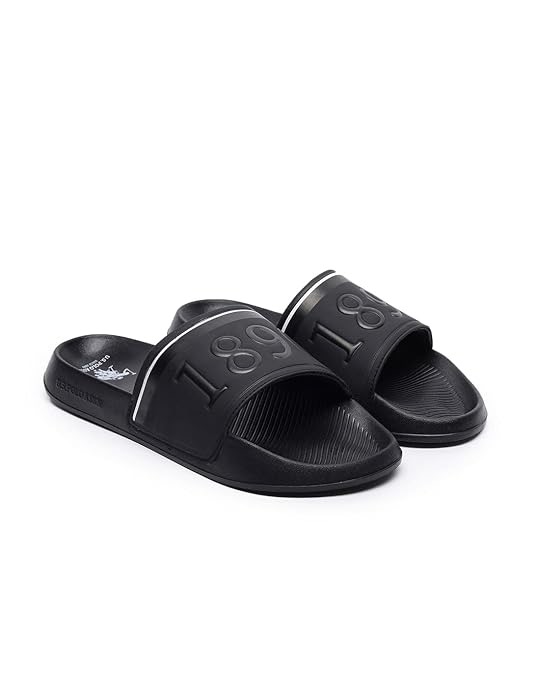
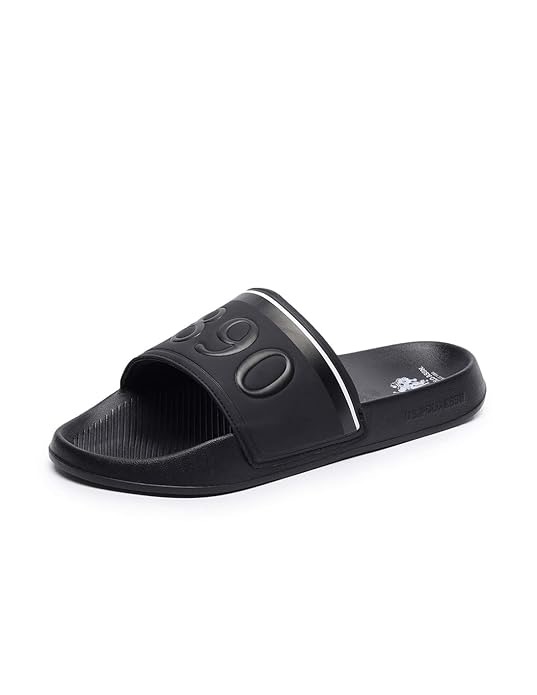
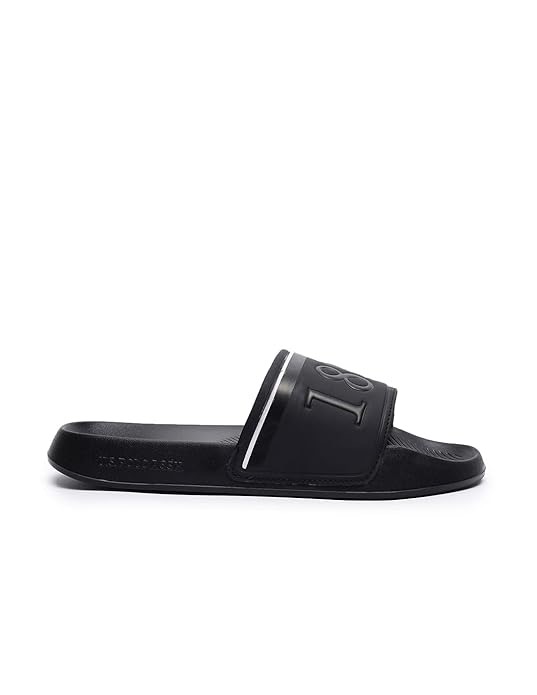
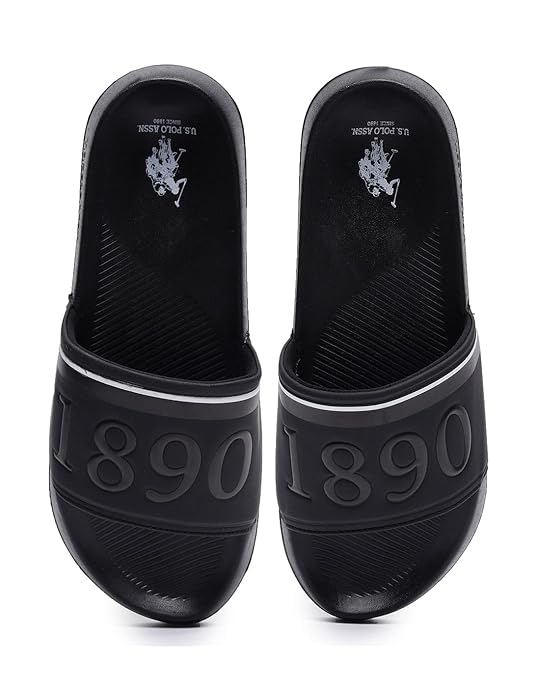
U.S. POLO ASSN. USPA|RAFFER| Stylish Sliders Flip Flops for Man
Original price was: ₹1,699.00.₹1,359.00Current price is: ₹1,359.00.
Description
An In-Depth Exploration of the US Polo Assn. RAFFER 7.0 Slide: A Synthesis of Comfort Casual Style sliders , and Global Craftsmanship slipper flip flops
Introduction: Beyond the Specification Sheet
A product’s listed specifications are the foundational blueprint, the DNA of its identity. However, the true essence of an item—especially one as intimately connected to daily life as footwear—lies in the story those specifications tell. The data points for the US Polo Assn. RAFFER 7.0 slide sandal in Black—Water Resistant, Casual, Pull-On Closure, No Heel, Made in India, with a PU Upper and Comfort Insole—are not merely a list of features.
They are a carefully curated promise of an experience. This document aims to deconstruct that promise, exploring each component in profound detail to build a complete understanding of the product’s design philosophy, its target audience, its place in the global market, and its impact on the wearer. We will journey from the molecular structure of its materials to the macroeconomic forces behind its country of origin, transforming a simple product description into a rich, multifaceted narrative.
Chapter 1: The Art of Casual Footwear – Decoding ‘Style’ and ‘Closure’
1.1 The Philosophy of “Casual” Style
The term “Casual” is deceptively simple. In footwear, it does not mean “un-designed” or “insignificant.” On the contrary, it represents a deliberate design ethos centered on versatility, comfort, and understated expression. The RAFFER 7.0 slide embodies this philosophy. Its style is not meant for the boardroom or the ballroom; it is engineered for the spaces in between—the “third spaces” of modern life.
This includes the coffee run, the weekend brunch, the journey from the gym locker to the shower, the leisurely walk in the park, and the comfortable environment of a friend’s backyard gathering. The casual style signifies a release from formality and constriction. It speaks to a lifestyle that values ease and authenticity.
The design choices—the lack of elaborate stitching, the likely minimalist branding, the monochromatic black color—all serve this purpose. Black, as the color, is a masterstroke in casual design. It is a neutral, achromatic tone that possesses a chameleon-like ability to integrate with any other color in a wardrobe. It conveys a sense of sleekness and sophistication, even in its simplicity, avoiding the sometimes overly simplistic look of brighter, more seasonal slides. It doesn’t shout; it whispers, offering a grounded, reliable aesthetic that pairs equally well with athletic shorts, jeans, or casual trousers.
1.2 The Pull-On Closure: A Study in Effortless Interaction
The “Pull-On” or slip-on closure system is one of the most ancient and enduring designs in footwear, and its persistence is a testament to its flawless utility. From ancient Japanese Geta sandals to Roman soleae, the principle remains unchanged: a design that facilitates maximum ease of use.
From a user-interaction perspective, the pull-on closure eliminates points of friction—literally and figuratively. There are no buckles to adjust, no velcro straps to tear open, and no laces to tie. This reduces the “transaction cost” of putting on the shoe to almost zero, making it the ideal choice for situations where speed and convenience are paramount. Think of a parent rushing out the door, a student sliding them on after a lecture, or anyone seeking immediate relief after removing more restrictive shoes.
From a design perspective, this closure type dictates the entire form of the shoe. It requires a precise calculation of volume and tension. The footbed must be sculpted to cradle the heel and arch sufficiently to prevent the foot from sliding out with each step—a common flaw in poorly designed slides.
The collar, the opening where the foot enters, must be generously sized for easy access but also sculpted to hug the top of the foot gently, ensuring a secure fit. This is where quality of construction is paramount. A well-made slide like the RAFFER 7.0 will have a consistent, flexible PU wall that moves with the foot without biting or gaping. The “Pull-On” feature, therefore, is not a lack of features but a dedicated feature in itself, championing a minimalist, efficient, and user-centric design philosophy.slipper flip flops
Chapter 2: Engineering Comfort – The ‘No Heel’ Profile and the ‘Comfort Insole’
2.1 The Podiatric Implications of a ‘No Heel’ or Zero-Drop Design
The “No Heel” specification indicates a flat, level footbed from heel to toe, a style known in ergonomic terms as a “zero-drop” platform. This design has significant implications for foot health, posture, and natural movement.slipper flip flops
Most conventional shoes, including sneakers and dress shoes, feature an elevated heel, often by 10-15 millimeters. This heel lift alters the natural alignment of the body, pitching the pelvis and spine slightly forward, which can contribute to postural imbalances over time. A zero-drop design like the RAFFER 7.0 allows the foot to rest in its anatomically natural position. The calcaneus (heel bone) and the metatarsal heads (the ball of the foot) are on the same plane, promoting a more neutral spinal alignment and a more natural gait cycle. slipper flip flops
This design encourages the wearer to engage their core and leg muscles more effectively for stabilization, as the body isn’t relying on an artificial heel for support. It allows for a more grounded, stable feel, which is a cornerstone of casual comfort. The foot is not forced into an unnatural angle but is permitted to function as evolution intended. For individuals transitioning to more minimalist footwear, this can feel unusual at first, as calf muscles and Achilles tendons adapt to a new stretch, but it ultimately promotes stronger foot musculature and a more natural biomechanical stride. slipper flip flops
2.2 The Science of the ‘Comfort Insole’: A Deep Dive
The term “Comfort Insole” is a promise that can be fulfilled through various technologies and materials. It is the primary interface between the wearer’s foot and the shoe, and its design is critical to the overall experience. slipper flip flops
A quality comfort insole is typically a multi-layer system:
-
Top Layer (Sock Liner): This is the layer that directly contacts the foot. It is often made from a moisture-wicking fabric, such as a proprietary mesh or anti-microbial foam, designed to pull sweat away from the skin to keep the foot dry and cool, preventing blistering and odor. slipper flip flops
-
Cushioning Layer: This is the heart of the “comfort” claim. It is usually made from a resilient, low-density polyurethane (PU) foam, memory foam, or EVA (Ethylene-Vinyl Acetate) foam. These materials are chosen for their ability to compress under pressure, contouring to the unique shape of the wearer’s foot, and then slowly rebound to their original shape. This provides customized cushioning that absorbs the shock of each step, reducing impact on the joints in the ankles, knees, and hips. The precise density and thickness of this layer are a key differentiator between a basic slide and a premium one like the RAFFER 7.0. slipper flip flops
-
Support Layer: Beneath the cushioning, there may be a firmer layer that provides structural integrity and arch support. This layer prevents the insole from collapsing over time and offers a subtle guidance to the foot, preventing overpronation (ankle rolling inward) or supination (ankle rolling outward) during the walking motion. slipper flip flops
The combination of a zero-drop platform and a multi-layer comfort insole creates a synergistic effect. The platform provides natural alignment, while the insole provides protective cushioning within that natural state. This makes the RAFFER 7.0 not just comfortable for short-term wear but potentially beneficial for all-day comfort, reducing foot fatigue. slipper flip flops
Chapter 3: Material World – The ‘PU Upper’ and ‘Water Resistance’
3.1 Polyurethane (PU): The Versatile Performer
The choice of Polyurethane (PU) for the upper material is a strategic decision balancing cost, performance, ethics, and aesthetics. PU is a polymer that can be engineered into a vast array of forms, from rigid plastics to soft, flexible foams and coatings. slipper flip flops
In the context of the RAFFER 7.0’s upper, PU is most likely used as a synthetic leather alternative. It is created by applying a layer of polyurethane to a base material, often a polyester mesh or fabric, creating a sheet material that convincingly mimics the look and feel of genuine leather. This choice has several advantages: slipper flip flops
-
Durability and Consistency: Unlike genuine leather, which can have natural imperfections and varies in grain, PU is manufactured to be perfectly uniform. It is highly resistant to scuffing, cracking, and peeling if of good quality. slipper flip flops
-
Ease of Maintenance: A PU upper is exceptionally easy to clean. Most dirt and spills can be wiped away with a damp cloth, making it an ideal material for a casual, often exposed shoe. It does not require the specialized conditioners or polishes that leather demands. slipper flip flops
-
Cost-Effectiveness and Accessibility: PU is generally less expensive to produce than high-quality genuine leather, allowing brands to offer a product with a premium look and feel at a more accessible price point. slipper flip flops
-
Ethical and Vegan Considerations: For a growing segment of consumers, the use of animal-free materials is a significant purchasing factor. PU provides a cruelty-free alternative that aligns with a vegan lifestyle without sacrificing the desired aesthetic. slipper flip flops
The potential drawback of lower-quality PU can be a lack of breathability compared to perforated leather or textile uppers. However, in a slide sandal design, which is inherently open, this concern is largely mitigated, allowing the positive attributes of PU to shine. slipper flip flops
3.2 The Meaning of ‘Water Resistant’
“Water Resistant” is a specific term with distinct limitations that are crucial to understand. It is not synonymous with “Waterproof.” slipper flip flops
-
Water Resistant means the shoe can withstand light exposure to water, such as walking through a shallow puddle, being splashed, or being caught in a brief rain shower. The PU upper is naturally non-porous, meaning water will bead up and roll off its surface for a period rather than immediately being absorbed. The seams and construction are likely designed to repel light moisture. slipper flip flops
-
It is NOT Waterproof. Waterproofing would imply that the shoe could be fully submerged in water or exposed to heavy, prolonged rain without any moisture penetrating. The RAFFER 7.0 is not designed for this. Submerging them, walking through deep water, or wearing them in a downpour will eventually lead to water seeping in, particularly through the footbed opening. slipper flip flops
This level of resistance is perfectly suited to the shoe’s intended casual use. It provides peace of mind for everyday, unpredictable encounters with moisture without claiming performance it cannot deliver. It makes the slide an excellent choice for beachgoers (protecting against wet sand and small waves), poolside use, or navigating damp urban environments after a rain. slipper flip flops
Chapter 4: The Global Tapestry – ‘Country of Origin: India’
4.1 India as a Footwear Manufacturing Powerhouse
The “Made in India” label on a pair of shoes is far from a simple statement of origin; it is a window into a vast and sophisticated global industry. India is one of the world’s top three producers of footwear, alongside China and Vietnam, and its industry is a complex ecosystem of large-scale factories, specialized workshops, and artisan cobblers. slipper flip flops
The Indian footwear sector is renowned for several key strengths:
The “Pull-On” or slip-on mechanism represents a pinnacle of user-centric design, prioritizing efficiency and ease above all else. Its history is ancient, but its relevance is utterly contemporary, aligning perfectly with a culture that values speed, convenience, and seamless experiences.
A deep engineering analysis reveals that a successful pull-on design is a feat of biomechanical ergonomics. It is not simply a flat sole with a strap; it is a system designed to accommodate the complex dynamics of the human foot in motion.
-
The Heel Cup: The rear of the slide must be sculpted with a precise concave curve and a slight inward lip. This “heel counter” acts as a clasp, gently gripping the heel bone to prevent the foot from sliding backward out of the shoe during the toe-off phase of the gait cycle. Too aggressive a curve causes uncomfortable friction; too shallow a curve results in a loose, insecure fit.
-
The Collar and Vamp: The opening of the shoe and the top surface (vamp) that covers the instep must be engineered for pliant flexibility. They need to yield easily as the foot enters but then offer gentle, consistent pressure across the dorsal surface of the foot to hold it in place without pinching nerves or restricting blood flow. This is often achieved through the use of softer, more flexible PU compounds in these specific areas.
-
The Footbed Traction: Security is also derived from the interface between the foot and the insole. A high-traction, slightly textured surface on the “Comfort Insole” is crucial to prevent the foot from sliding laterally within the shoe during movement, enhancing stability and safety.
This intricate balance makes the pull-on closure not a primitive design but an advanced one, where the engineering is hidden within a appearance of sublime simplicity. It is the ultimate tool for “donning and doffing,” a phrase used in ergonomics to describe the ease of putting on and taking off equipment, reducing the physical and cognitive load on the user.
-
Artisanal Heritage and Skill: India has a deep and rich history in leathercraft and textiles. Cities like Chennai, Agra, and Kanpur are historic hubs of shoemaking, possessing a generations-deep skilled workforce capable of high-quality construction, detailed stitching, and finishing. This heritage translates into modern manufacturing, where technical skill is passed down and refined. slipper flip flops
-
Vertical Integration: Many Indian manufacturing facilities are vertically integrated, meaning they control multiple stages of the production process under one roof—from cutting the raw materials (like PU sheets) to molding the sole units, assembling the components, and performing quality control. This leads to greater efficiency, cost control, and consistency in the final product. slipper flip flops
-
Economic Catalyst: The footwear industry is a major employer in India, providing millions of jobs. For a global brand like US Polo Assn., manufacturing in India allows them to leverage this skilled labor at a competitive cost, enabling them to produce a high-quality product that is accessible to a global market. It represents a fusion of global brand identity with local manufacturing expertise. slipper flip flops
4.2 Quality and Ethical Implications
Choosing to manufacture in India is not merely a cost decision. Reputable global brands partner with factories that comply with international standards for quality control and ethical labor practices. This ensures that the product is not only well-made but also produced in a responsible manner. The “Made in India” label on a branded product like this typically signifies adherence to these standards, offering consumers assurance about the quality and integrity of their purchase. It reflects a globalized supply chain where design, marketing, and manufacturing are interconnected across continents. slipper flip flops
Chapter 5: Synthesis and Conclusion – The RAFFER 7.0 in Context
The US Polo Assn. RAFFER 7.0 slide in Black is a meticulously considered product. Every specification interlocks to form a coherent identity: slipper flip flops
It is a practical tool for modern life, thanks to its water-resistant PU upper and effortless pull-on design. It is a vessel of well-being, engineered with a comfort insole and zero-drop profile to support the wearer’s body naturally. It is a style statement, leveraging a timeless casual silhouette in a versatile black finish that speaks to understated confidence. Finally, it is a product of globalization, born from the skilled craftsmanship of India’s manufacturing sector and the design influence of an American heritage brand. slipper flip flops
It is more than just a slide; it is a designed solution for the demand for versatile, comfortable, and accessible footwear. It perfectly captures the zeitgeist of contemporary casualwear, where the lines between athletic recovery, loungewear, and street style are increasingly blurred. The RAFFER 7.0 doesn’t just meet a need; it anticipates it, offering a simple, effective, and stylish answer to the question of what to put on your feet for the countless moments of ease that define our daily lives. slipper flip flops


Reviews
There are no reviews yet.